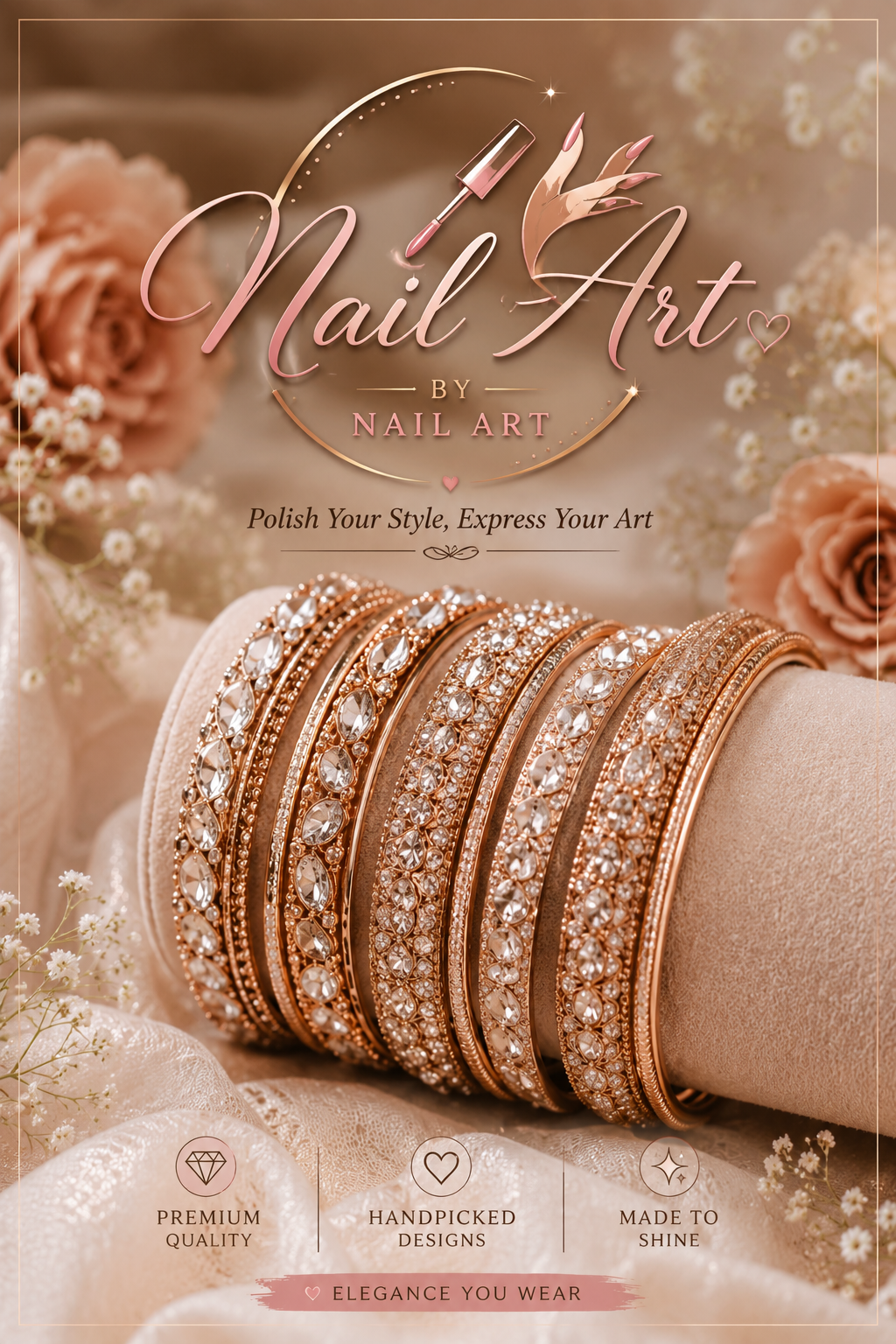
Bangles are more than jewelry pieces—they are symbols of beauty, culture, elegance, and personal expression. For centuries, women across different cultures have worn bangles to celebrate traditions, enhance style, and showcase individuality. Whether crafted from gold, silver, glass, metal, or contemporary materials, bangles remain one of the most cherished fashion accessories worldwide.
From ancient civilizations to modern Pinterest-inspired fashion trends, bangles have continued evolving while preserving their timeless charm. Their beauty lies not only in appearance but also in the emotions, memories, and traditions they carry.

The Fascinating History of Bangles
The history of bangles dates back thousands of years. Archaeological findings reveal that bangles were worn as early as 2600 BCE during ancient civilizations. Early bangles were crafted using shell, stone, copper, bronze, terracotta, and ivory.

Ancient societies viewed bangles as more than decorative ornaments. They symbolized social status, wealth, prosperity, and cultural identity. Over generations, bangles became deeply rooted in traditions across South Asia, the Middle East, Africa, and beyond.
As jewelry-making techniques advanced, artisans introduced intricate carvings, gemstones, precious metals, and handcrafted designs, transforming bangles into artistic expressions of beauty.
Today, modern technology and fashion innovation continue reinventing bangles while preserving their traditional significance.
Why Bangles Are Culturally Important
Bangles hold emotional and cultural value in many communities around the world.
Symbol of Marriage and Tradition
In many cultures, bangles symbolize marriage, prosperity, and happiness. Bridal bangles often play a central role during wedding ceremonies.
Traditional brides frequently wear elaborate bangles that complement wedding attire and symbolize new beginnings. Certain colors hold special meanings:
- Red symbolizes love and passion
- Green represents prosperity and growth
- Gold reflects wealth and celebration
- White symbolizes purity and peace
Bridal bangles often become treasured keepsakes passed down through generations.
Festivals and Celebrations
Festive celebrations become even more vibrant with jewelry styling, and bangles frequently become statement accessories.
Women often choose colorful bangles during cultural festivals to enhance traditional outfits. Glass bangles remain especially popular because their delicate sound symbolizes joy and positivity.
Festival styling often combines multiple textures, materials, and colors for a striking visual effect.
Expression of Personal Style
Modern fashion has transformed bangles into versatile accessories suitable for everyday wear.
Minimal metallic bangles create refined elegance, while bold layered stacks offer dramatic style statements.
Fashion enthusiasts frequently experiment with styling combinations to reflect personality and creativity.
Types of Bangles

The incredible variety of bangles ensures there is something suitable for every occasion and preference.
1. Gold Bangles
Gold bangles represent timeless sophistication and luxury. Their elegance makes them especially popular for weddings, formal occasions, and family celebrations.
Intricate craftsmanship, gemstone settings, and traditional detailing make gold bangles enduring investments in jewelry collections.
2. Silver Bangles
Silver bangles offer versatility and contemporary appeal.
Their subtle elegance pairs beautifully with both traditional clothing and modern outfits. Oxidized silver designs have become especially popular for artistic and bohemian styling.
3. Glass Bangles
Glass bangles remain iconic symbols of femininity and celebration.
Available in countless colors and patterns, glass bangles create visually stunning combinations when stacked together.
Their delicate sound adds charm and festive beauty.
4. Metal Bangles
Metal bangles are durable, stylish, and practical.
Modern designs include sleek geometric patterns, minimalist finishes, and contemporary textures suitable for everyday fashion.
Their versatility makes them ideal for casual styling.
5. Wooden Bangles
Wooden bangles introduce natural textures and artistic craftsmanship.
Hand-painted details, carvings, and earthy finishes create distinctive accessories appreciated by bohemian fashion lovers.
6. Designer Bangles
Luxury and designer bangles combine innovation with sophistication.
Modern designers experiment with pearls, crystals, gemstones, mixed metals, and contemporary silhouettes to create fashion-forward statement pieces.
How to Choose Perfect Bangles
Selecting ideal bangles involves considering comfort, style preferences, and occasion.
Consider the Occasion
Formal gatherings may require elegant gemstone or metallic bangles.
Casual outfits often pair beautifully with minimalist or lightweight styles.
Traditional events typically inspire colorful layered combinations.
Match Colors Thoughtfully
Coordinating bangles with clothing enhances overall styling harmony.
Neutral metallic shades provide flexibility, while vibrant colors add personality and visual interest.
Mixing textures can create fashionable contrast.
Prioritize Comfort
Comfort matters as much as appearance.
Bangles should fit securely without feeling restrictive. Lightweight options often work best for daily wear.
Experiment with Layering
Layering multiple bangles creates dimension and individuality.
Combining thin delicate pieces with statement bangles produces fashionable styling balance.
Modern trends increasingly encourage mixing metals and materials creatively.
Bangles in Modern Fashion Trends

Fashion constantly evolves, but bangles continue adapting beautifully.
Minimalist jewelry trends have popularized sleek metallic bangles suitable for professional and casual wardrobes.
Statement jewelry styling embraces layered wrist accessories featuring gemstones, textures, and artistic craftsmanship.
Pinterest and social media platforms have significantly influenced jewelry styling trends. Fashion creators frequently showcase curated bracelet stacks paired with elegant nail art, rings, and luxury-inspired aesthetics.
Personalized styling now encourages individuality rather than strict traditional rules.
Caring for Bangles Properly
Maintaining bangles properly preserves their beauty and durability.
Store Carefully
Store bangles in soft pouches or dedicated jewelry boxes to prevent scratches.
Separate delicate materials such as glass or gemstones.
Protect From Chemicals
Perfumes, cleaning products, and excessive moisture may affect shine and material quality.
Removing jewelry before household tasks helps extend longevity.
Clean Gently
Use soft cloths to remove dirt and maintain brilliance.
Professional cleaning occasionally helps preserve premium jewelry pieces.
Handle Delicate Bangles Carefully
Glass bangles require extra care due to their fragile nature.
Proper storage minimizes accidental damage.
Why Bangles Remain Timeless
Fashion trends may change rapidly, but bangles continue maintaining universal appeal.
Their versatility allows them to complement traditional attire, modern fashion, and luxury styling equally well.
More importantly, bangles carry emotional significance. Many become cherished heirlooms connecting generations through memories and traditions.
They symbolize celebration, elegance, beauty, and identity.
Whether worn individually for understated sophistication or layered boldly for dramatic fashion impact, bangles remain timeless accessories loved across cultures and generations.
Conclusion
Bangles are much more than decorative jewelry. They reflect history, artistry, culture, and personal expression.
From ancient handcrafted ornaments to contemporary designer creations, bangles continue evolving while preserving their emotional and cultural importance.
Whether you prefer classic gold designs, colorful glass styles, sleek metallic pieces, or artistic statement jewelry, bangles offer endless opportunities for creativity and elegance.
As fashion continues changing, one thing remains certain—bangles will always hold a special place in the world of beauty, style, and timeless sophistication.